
• Skip to primary navigation
  • Skip to main content
  • Skip to primary sidebar
Children's Medical Center

Children's Medical Center

Denver Pediatric Practice

  • About
    • Pediatricians
      • Dr. Abby
      • Dr. Debbie
      • Dr. Erin
      • Dr. Katie
      • Dr. Lauren
      • Dr. Lisa
      • Dr. Liz
      • Dr. Spero
    • Pediatric Services
      • Mental Health Services
      • Breastfeeding Support
      • Administration
    • News
    • Newsletter Sign-up
  • Resources
    • Patient Account
      • Forms
      • Online Bill Pay
      • MyChart Login
      • Using MyChart
    • Financial Information
      • Affordable Care Act
      • Service Costs
      • Online Payment
    • Medical Privacy Policy
    • Parent Education
      • Breastfeeding
      • Newborns
      • Parenting Tips
      • Safety
      • Special Needs Children
      • Teens
      • Vaccinations
      • What’s Going Around?
    • Medicine & Dosages
    • Symptom Guide
    • CMC Pediatrician Blog
  • Appointments
    • Sick Visit
    • Well Visit
  • New Patients
    • New Baby
    • Transfer to CMC
  • Contact
    • Phone System Guide
    • Parking at CMC
  • My Chart
Home/Pediatrician Blog/A Parent’s Quick Guide to Teething

A Parent’s Quick Guide to Teething

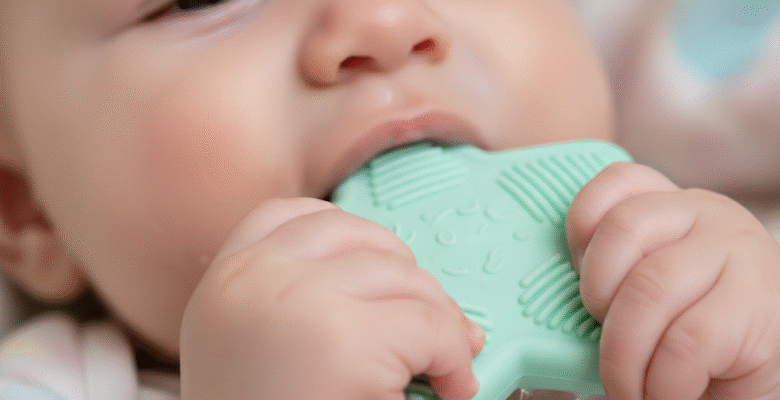
  • It can be hard to know when a baby/toddler is actually teething. Babies are fussy, drooly, chewers for many different reasons. Parents and doctors probably blame a lot of things on teething that aren’t actually related. 
  • Teething does not cause a fever. Teething also doesn’t cause severe pain. Babies/toddlers may be a little more fussy than normal or have some trouble sleeping and eating, but they should not be inconsolable or miserable for long periods of time.
  • Some commonly suggested teething treatments are actually dangerous and should not be used including:
    • Over-the-counter teething gels can have harmful side effects
    • Teething necklaces are choking and strangulation risks
    • Teethers with water can break or tear
  • The best way to treat teething pain is with gentle massage and/or teethers. A wet washcloth kept in the freezer for a short period of time can work wonders too.
  • For medication you can use acetaminophen (Tylenol) and/or if your baby is older than 6 months, ibuprofen (Motrin). Try to rely on medication only for nighttime pain to reduce how much total medication a child gets. Use distraction and teethers for daytime pain. 
Dr. Lauren Mickey

Written by:
Dr. Lauren Mickey
Published on:
April 30, 2026

Categories: Pediatrician Blog

Primary Sidebar

Call Children’s Medical Center

303-830-7337
Monday-Friday:
8:00am to 12:30pm &
1:30pm to 5:00pm

Saturday:
8:00am to 12:00noon

Phone system guide

Our Office Location

Children's Medical Center is located just east of downtown Denver at:

1818 N. Ogden Street
Suite 300
Denver, CO 80218

Parking & location

News Categories

  • Community Health
  • Immunization
  • Office Closure
  • Pediatrician Blog
  • Practice News

Recent News

  • Confessions of a Pediatrician Mom: Advice I Give but Haven’t Followed Myself
  • A Parent’s Quick Guide to Teething
  • Phone Changes at CMC starting 5/5/26
  • Ride Safe: Helmet and Bike Rules Every Family Should Follow
  • Poop Problems? Here’s How to Help Your Child Go

Search our site

Explore more

Online Bill PayMyChart LoginContact Us
Children's Medical Center

Footer

Children’s Medical Center

1818 N. Ogden Street, Suite 300
Denver, CO 80218
303-830-7337

Copyright © 2026 · Children's Medical Center

  • Contact Us
  • Disclaimer
  • Privacy Policy